Meeting basic needs consistently
Independence begins when households can reliably cover essentials like housing, food, transportation, and healthcare.


Independence begins when households can reliably cover essentials like housing, food, transportation, and healthcare.
Unexpected events are part of life. Independence means having enough stability to absorb those disruptions without returning to crisis.
When people no longer have to choose between rent, food, medication, or other essentials, stability becomes something they can maintain.
WHY LONG-TERM INDEPENDENCE MATTERS
Emergency help can solve an immediate problem. Ongoing support and skill-building help people strengthen the systems around their lives. Long-term independence is the point where those pieces come together—when households can consistently meet their needs, manage responsibilities, and stay stable even when life gets complicated.
MEET DANIELLE
For Danielle, it has meant reaching a point where the basics no longer feel uncertain from month to month. A few years ago, even a small disruption could throw everything off balance and force hard choices about which bills could wait and which could not.
Over time, steady support and practical guidance helped her build more stability around her family’s daily life. The challenges have not disappeared, but they no longer carry the same risk of turning into something bigger.
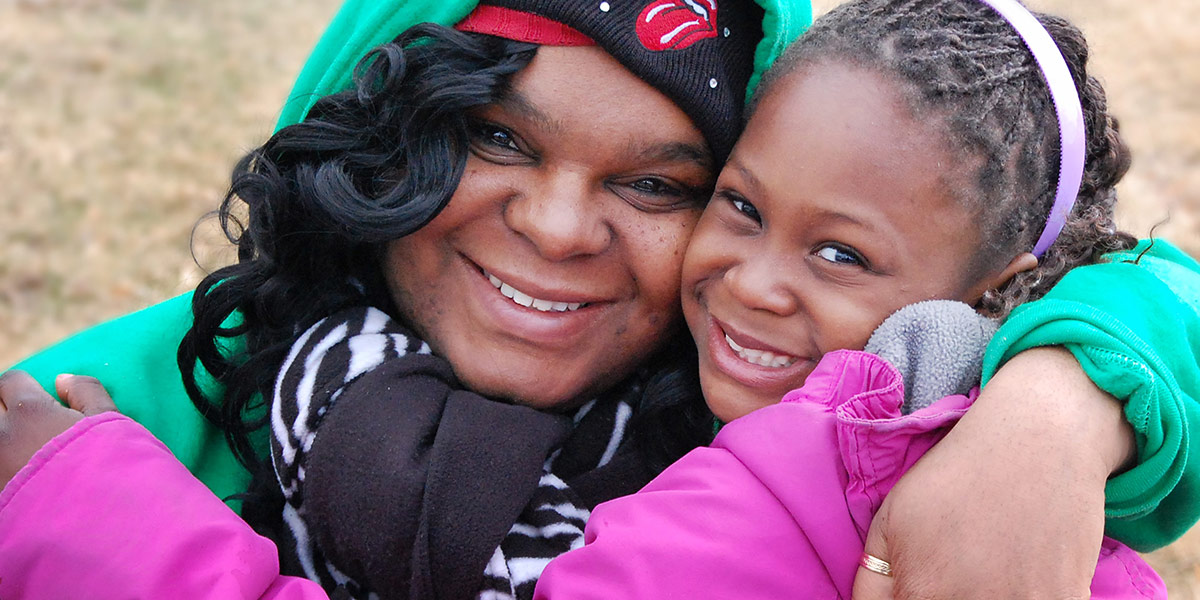
Independence does not mean life becomes easy, and it does not mean people never need support again. It means reaching a point where basic needs can be met consistently and short-term disruptions no longer threaten everything at once.
For some families, that can mean stable income, manageable expenses, and enough margin to absorb an unexpected bill. For older adults, it can mean remaining safely housed, keeping up with essentials, and avoiding the kind of setbacks that quickly spiral into larger crises.
These changes are often quiet, but they matter. They mark the point where stability becomes something people can sustain rather than something they are constantly fighting to regain.
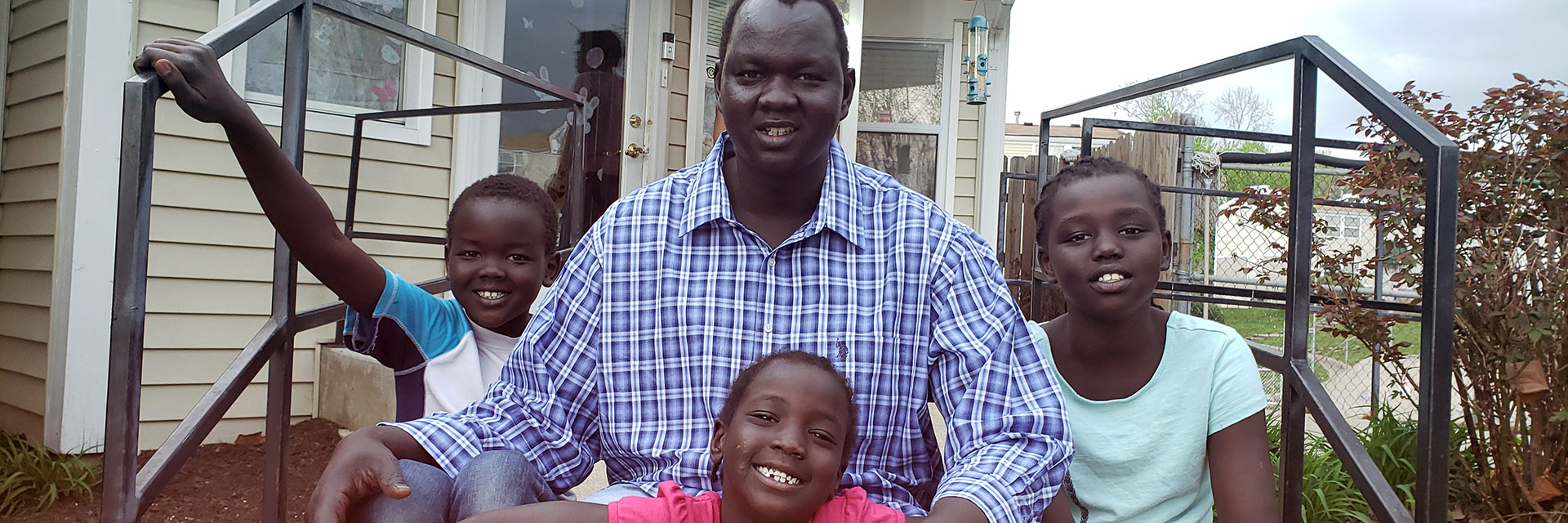
At Phoenix Family, independence means the ability to consistently meet basic needs while maintaining enough stability to handle short-term disruptions.
Poverty is rarely caused by one challenge alone. Housing, income, education, health, and financial pressure often interact in ways that compound over time.
People are better able to plan ahead, manage responsibilities, and respond to setbacks without everything else becoming unstable.
WHERE THIS SHOWS UP
Stability support, consistent relationships, and opportunities to build practical skills all contribute to the same goal: helping families, children, and older adults reach a point where they can maintain stability over time.
THE FOUR PARTS OF LASTING PROGRESS
Stability makes progress possible. Consistent support helps people stay connected. Skill-building strengthens what people can manage. Long-term independence is where those pieces come together.
When these pieces come together, people have the chance to build lives that are steady, secure, and self-directed.
Donate Now