Reading unlocks learning
When children learn to read well by third grade, they gain the ability to absorb information across every subject—from science to history to math.

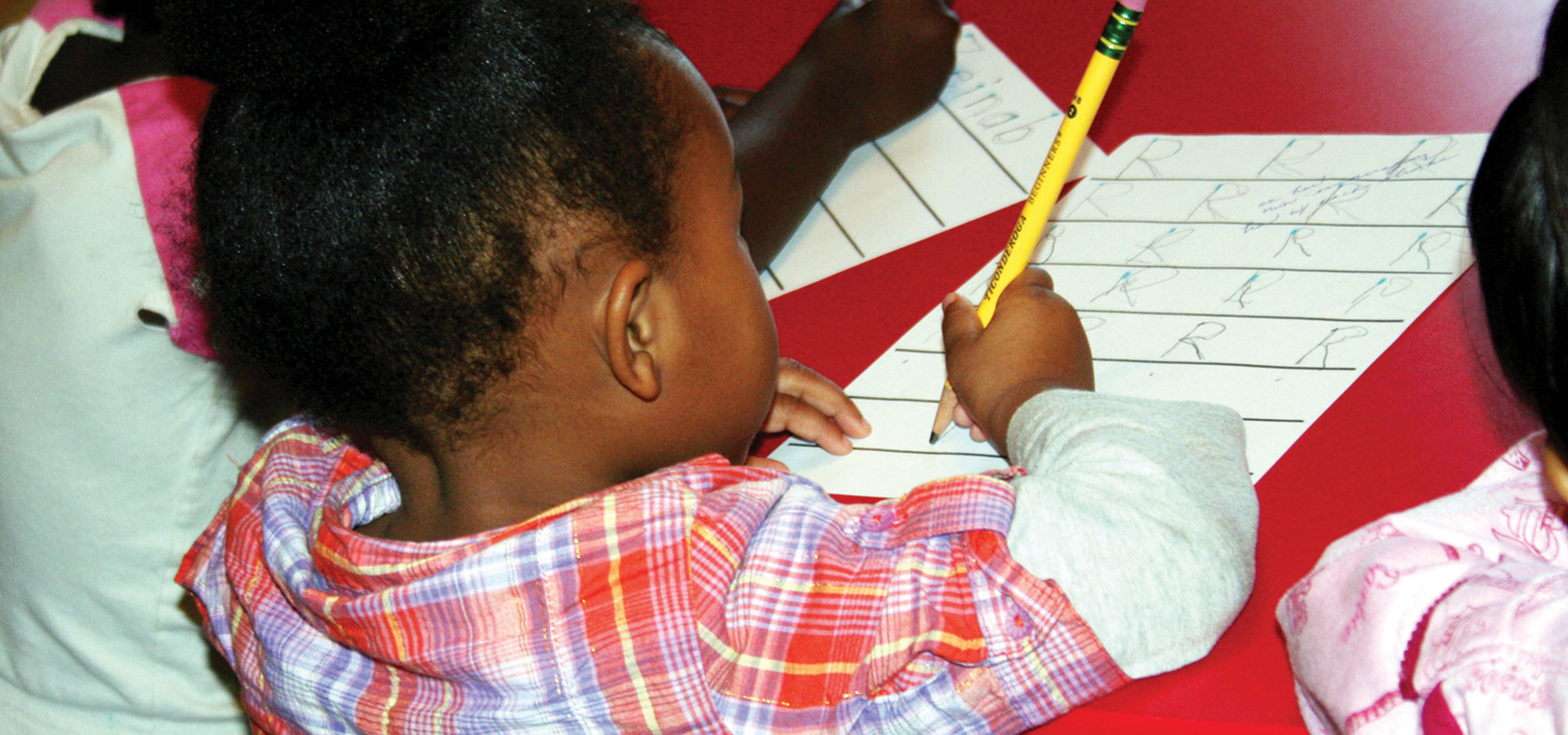
When children learn to read well by third grade, they gain the ability to absorb information across every subject—from science to history to math.
Applying for jobs, accessing services, and even scheduling appointments now happens online. Comfort with technology has become a basic life skill.
Skills grow through repetition and encouragement. When people have someone nearby to guide the process, learning becomes possible instead of intimidating.
WHY SKILL-BUILDING MATTERS
Stability creates the space to learn. But lasting change happens when people gain the knowledge and skills needed to handle the decisions and systems that affect their daily lives—finding and keeping employment, managing money, supporting their children’s education, and navigating the services and institutions around them. When those abilities grow over time, people are better able to meet their needs consistently and handle the disruptions that inevitably arise.
MEET MONICA
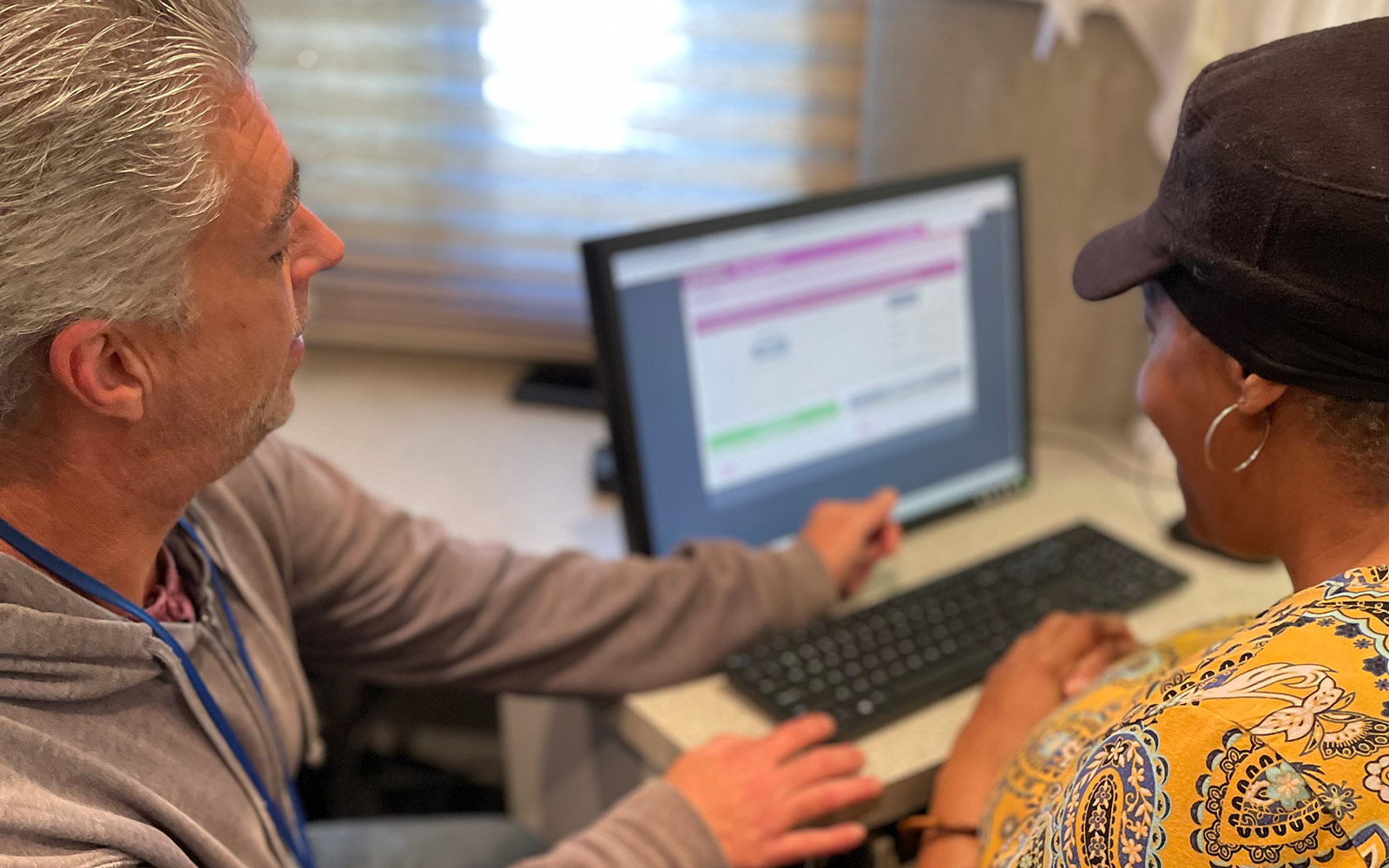
After putting her career on hold to care for her sister through hospice, Monica was ready to think about what came next. But the world she was returning to had changed. Job applications, networking, and even first-round interviews now happen online, and before diving back in she wanted to feel confident using a computer again.
Over the past several weeks, she’s been meeting with a coach in her community and working through the basics side by side. The program was easy to access, but what really made the difference was that she heard about it from her Service Coordinator, someone she already knew and trusted. Instead of feeling like a big leap into something unfamiliar, learning these skills has started to feel manageable—and like a real step toward what comes next.
Skill-building can look different from one person to the next. For a child, it may mean reading with a volunteer, practicing new words, or getting extra time to work through something that feels difficult.
For an adult, it may mean learning how to use a computer, navigate online applications, or feel more confident handling the everyday systems that now shape work and daily life.
What makes these moments matter is not just the information itself. It is the chance to ask questions, try again, and build confidence over time with someone nearby to help.
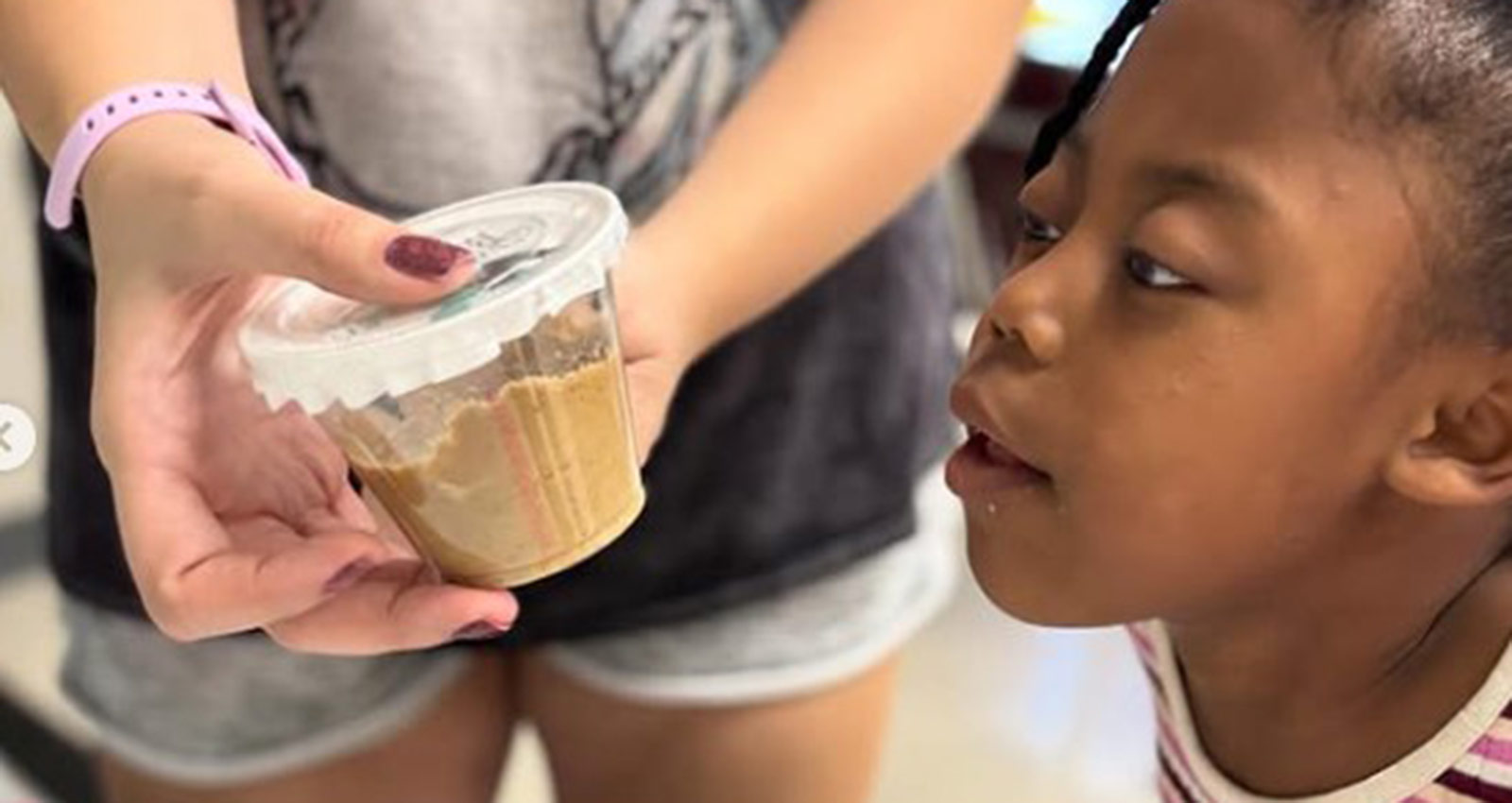
Reading, problem-solving, digital literacy, and financial knowledge all help people navigate daily life and make informed decisions.
Skills develop through repetition and encouragement. Having someone nearby to guide the process makes it easier to keep going.
Over time, stronger skills help children succeed in school and help adults and families make choices that lead to greater stability.
WHERE THIS SHOWS UP
It happens in one-on-one reading support through HIKE, in practical coaching and problem-solving with families, and in opportunities for older adults to build confidence with technology and everyday tasks.
THE FOUR PARTS OF LASTING PROGRESS
It takes stability, consistent support, skill-building, and long-term independence.
Next in the series
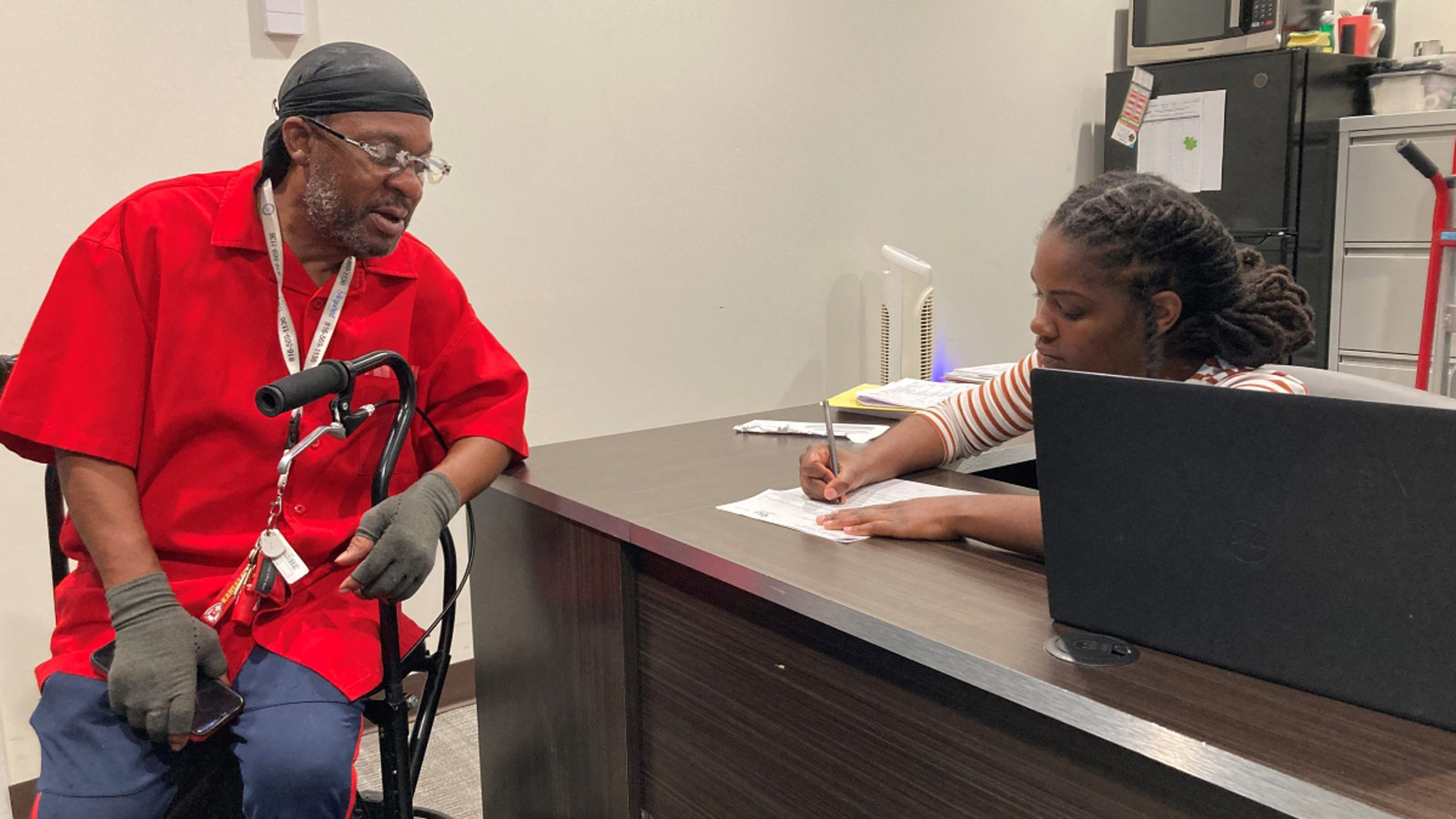
Independence doesn’t mean doing everything alone. It means having enough stability and resources to consistently meet your needs and handle the disruptions that inevitably arise.
Explore Long-Term Independence