Why is consistency so important?
Because trust takes time. People are more likely to ask questions, be honest about what they need, and keep working toward goals when support feels reliable.

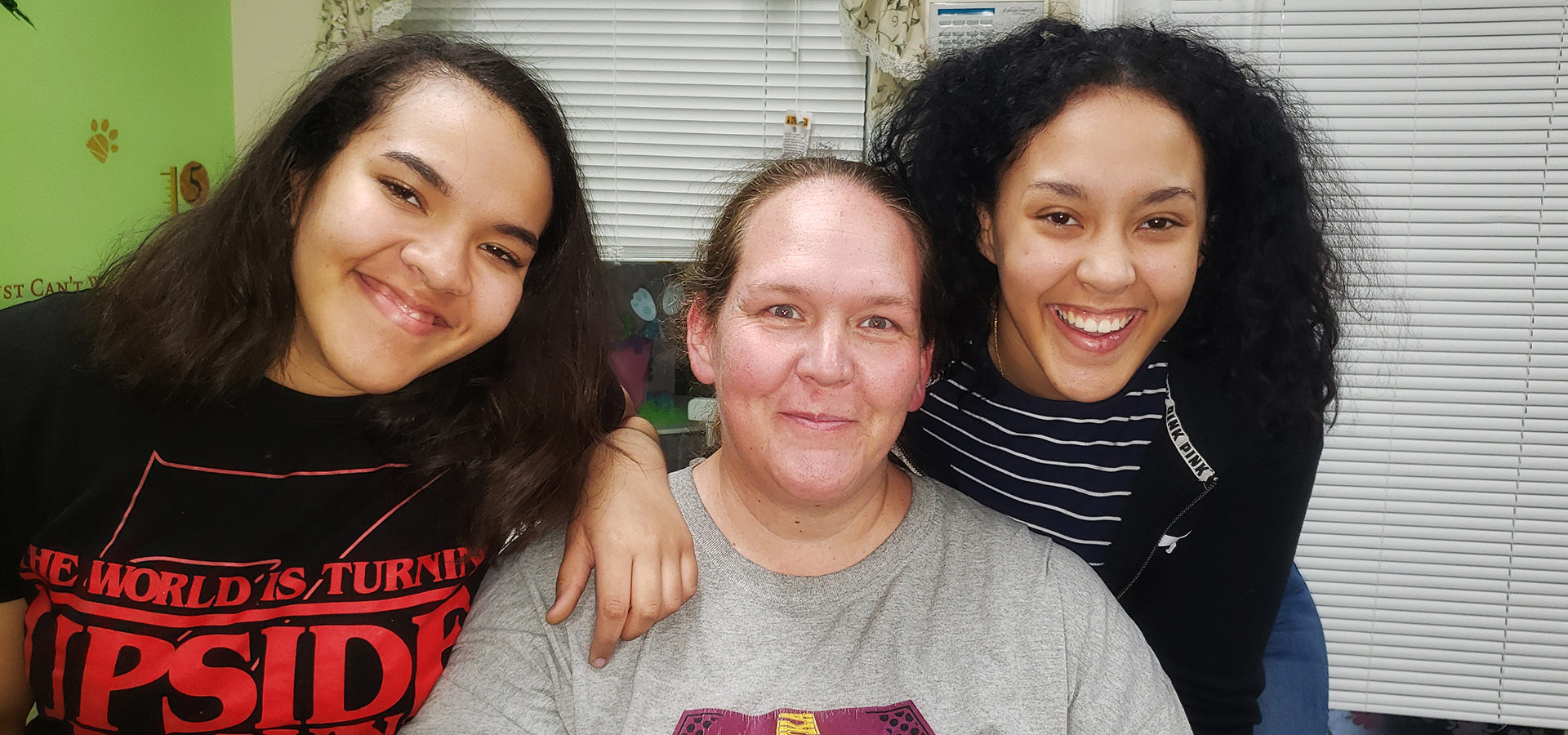
WHY CONSISTENT SUPPORT MATTERS
One-time help can make an immediate difference, but lasting progress usually takes more than that. When people know someone will keep checking in, helping problem-solve, and staying connected, they are better able to follow through on goals and keep moving toward something steadier.
MEET MS. LINDA
Ms. Linda is the kind of neighbor who knows everyone in the building. She checks in on people in the hallway, helps welcome new residents, and makes sure no one feels left out of what’s happening around her.
Over the years, she’s also had her share of challenges. When things felt uncertain, having Phoenix Family staff nearby made it easier to sort through problems one step at a time. Conversations with the Service Coordinator helped her stay connected, keep moving forward, and remain an active part of the community she cares about.
Ms. Linda often sums up her outlook with a line she repeats to others: “Whatever obstacle is in your way, you can do it. You can succeed.”
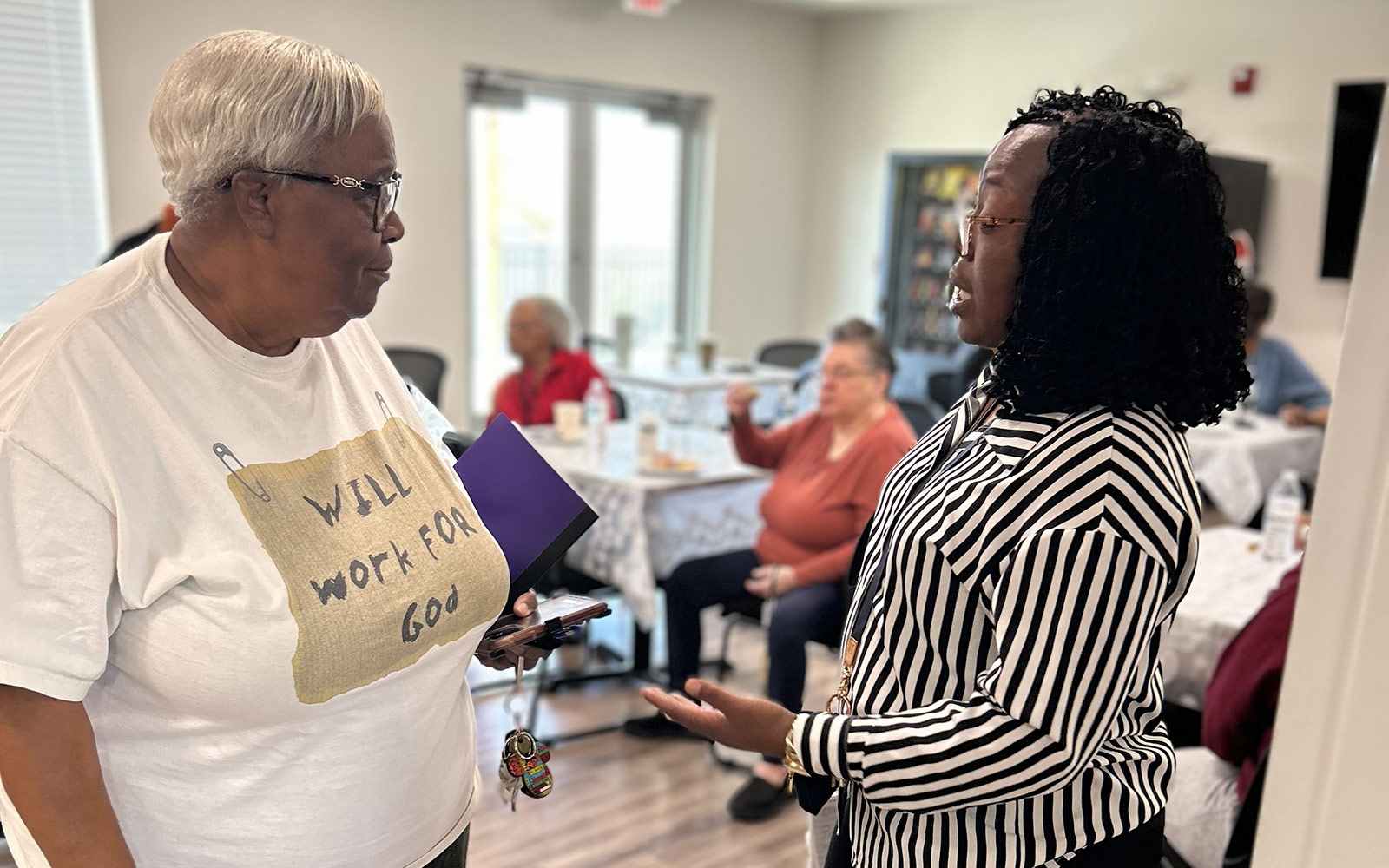
Consistent support can look simple from the outside. It might be a staff member checking in regularly, helping someone stay on track with a goal, or being available when a new problem comes up before it knocks everything off course.
That kind of follow-through matters because progress is rarely linear. People may need encouragement one week, practical help the next, and someone who remembers what they are working toward the week after that.
Over time, that steady presence helps turn short-term problem-solving into something more lasting.
Because trust takes time. People are more likely to ask questions, be honest about what they need, and keep working toward goals when support feels reliable.
Instead of only reacting to emergencies, people have more room to think ahead, stay connected to their goals, and build on small gains over time.
Because support is offered inside the communities where people already live. That makes it easier to build real relationships, stay connected, and respond in ways that fit everyday life.
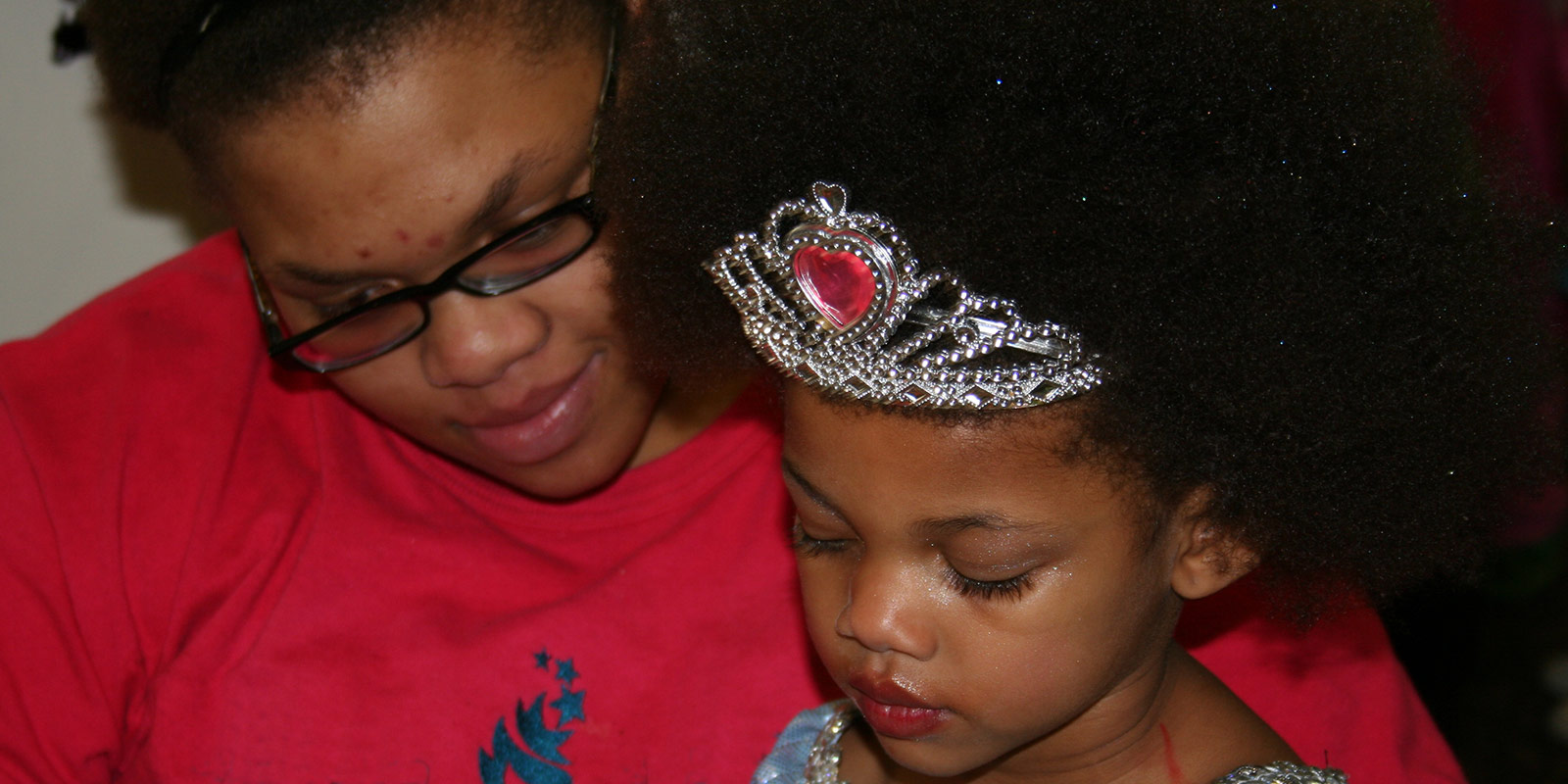
WHERE THIS SHOWS UP
It shows up in long-term relationships with families, in the steady presence older adults rely on, and in the mentoring and encouragement that helps children keep growing.
THE FOUR PARTS OF LASTING PROGRESS
It takes stability, consistent support, skill-building, and long-term independence.
Next in the series
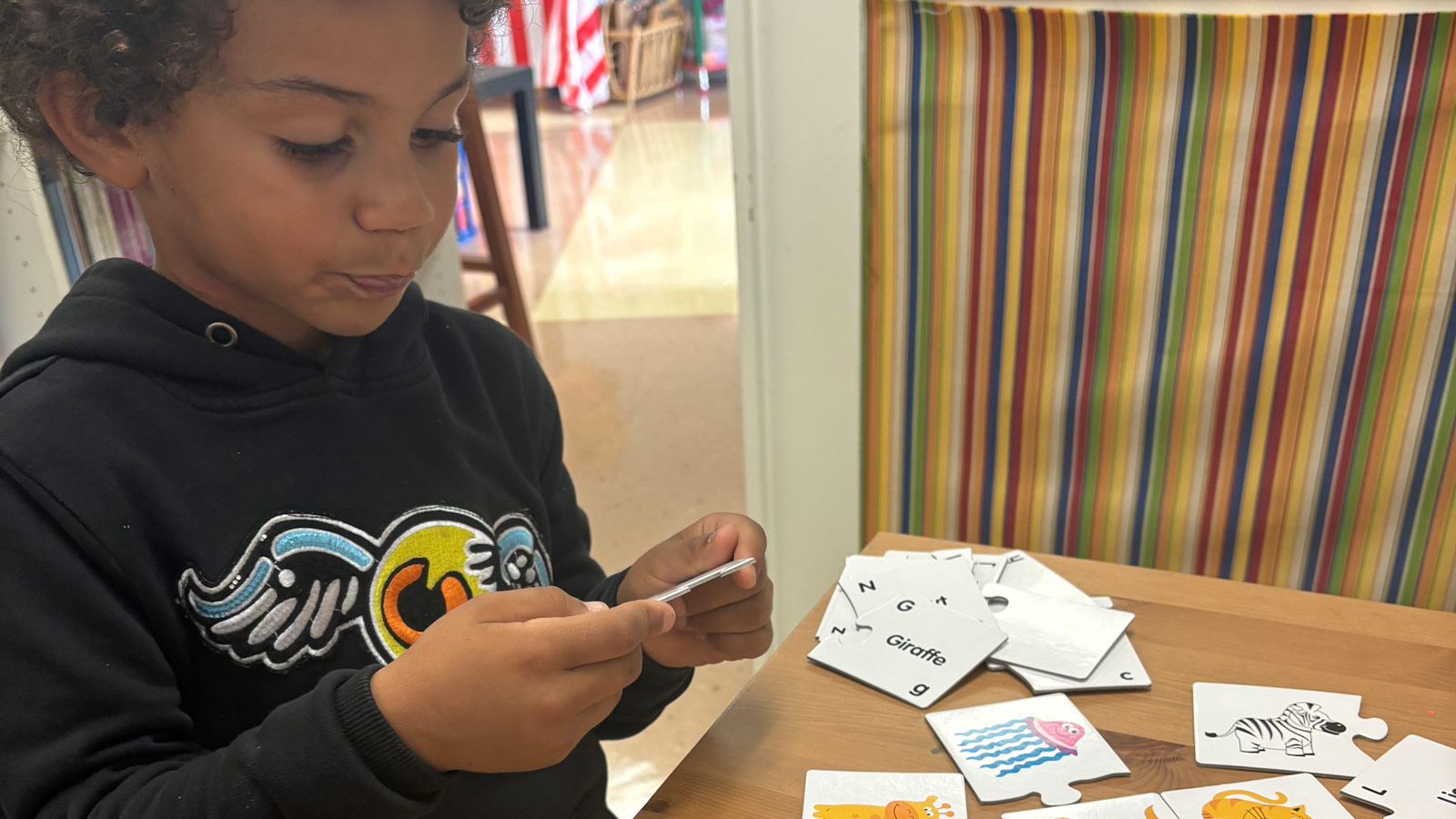
Lasting change takes more than support in the moment. People also need the chance to build skills they can carry forward.
Explore Skill-Building